



Which wood flooring finish to choose
Watch the video guide here
Choosing a Wood Flooring Finish
The finish is one of the most important decisions when choosing a wood floor, and one of the most misunderstood. It sets the colour and the sheen, yes, but it also decides how well the floor resists spills and scratches, how easy it is to clean, and how simple it is to repair if required. Choose on looks alone and you could end up disappointed later down the line.
The short version: the big choice is between oils, which soak into the wood, feel natural and are easier to repair, and lacquers or UV Oils, which are tougher against day-to-day wear but harder to patch repair. There’s also another route many people arguably dismiss too quickly – buying the board unfinished and finishing it on site, which can quietly solve a lot of problems.
Here’s what each option actually does, and how to land on the right one for your home.
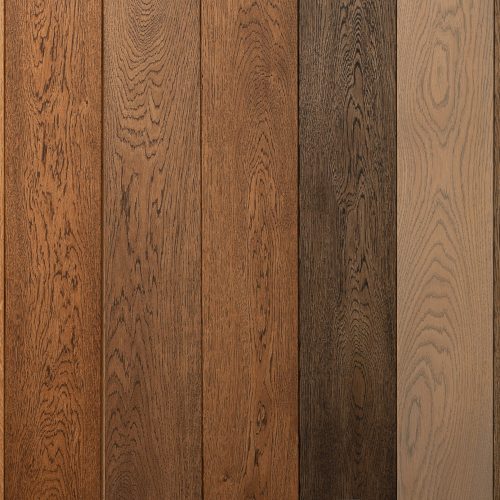
Start with the room, not the look
Before anything else, think about where the floor is going. A finish that performs perfectly in a quiet bedroom can be the wrong call for a busy kitchen or hallway. High-traffic rooms, and anywhere prone to spills, would warrant durability and water resistance as a higher priority. In a low-traffic room where you’re mostly in socks and slippers, that could matter far less, and you can let the aesthetics lead.
Lacquered floors
A lacquer is a protective coating that sits on top of the timber, forming a hard barrier between the wood and daily life. Because it sits on the surface rather than soaking in, a lacquered floor is generally very resistant to stains, spills and everyday wear, and it comes ready to walk on with no finishing required on site.
The trade-offs: traditional lacquers can feel a little less natural underfoot, though matt and invisible matt lacquers have come a long way in recent years and look far more organic. Scratches also tend to show more on a satin / gloss lacquered floor than on a matt oiled floor, and repairs are more awkward – you usually have to refinish the whole room rather than just affected boards.
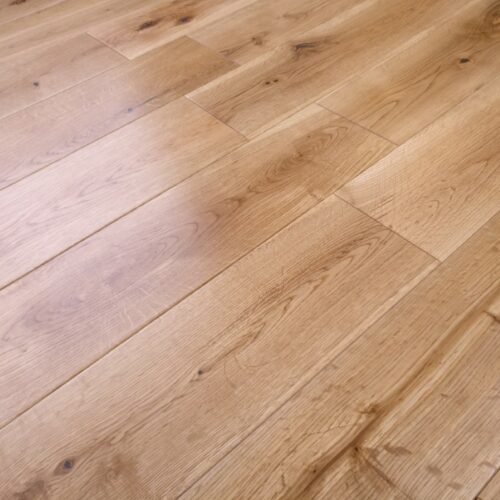
UV-oiled floors, and a common myth
First, the myth. UV-oiled does not mean extra protection from sunlight. It simply means the oil was cured under UV light in the factory, which makes it set harder and faster. Don’t choose a UV Oiled floor expecting additional resistance from sunlight.
In practice a UV oil behaves a lot like a lacquer, hard-wearing and water resistant, but tends to look more matt and natural. It’s a good middle ground if you want a pre-finished, durable floor that still has a traditional appearance and requires no on-site finishing.
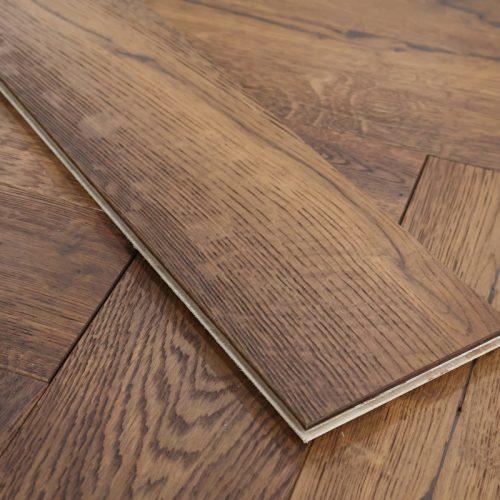
Oiled floors, natural and hardwax
An oil soaks down into the timber rather than sitting on the surface, which keeps the floor looking and feeling natural – you tend to feel the wood more. Oils are also the more repairable option – more oil can usually be added later to rejuvenate the floor, and patching a small area is simpler.
A natural oil penetrates into the timber and leaves less on the surface, so it looks wonderfully authentic but is less resistant to spills and standing water. A hardwax oil (such as Treatex) also soaks in but leaves a thin protective layer thanks to the waxes in its formula, giving better resistance to water, stains, and wear and tear, without losing that natural look.
Worth knowing: most pre-oiled floors can take further coats of oil on site straight after installation. So if you like a pre-oiled board but suspect the factory finish isn’t tough enough for the room, you can usually add a coat or two of a good hardwax oil after installation, just test compatibility first.
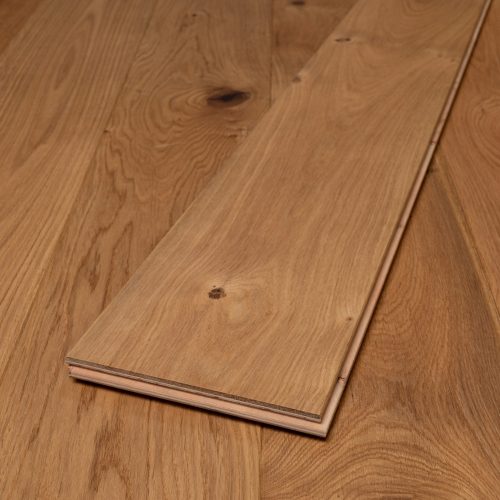
Why an unfinished board is worth a serious look
Buying an unfinished board can feel counter-intuitive. Why choose a floor you have to finish on site when you could buy one that’s ready to go? However, unfinished is often the smartest choice of the lot, and its advantages often aren’t obvious. This is the option many dismiss, without realising what they’re passing up.
- It can make the decision easier, not harder. This sounds back to front, but it can be a big one. An unfinished board completely separates two decisions that usually get tangled together. You choose the board based on the spec of the board itself (dimensions, wear layer, grade, quality and price), and then choose the finish separately based on look and practicality. No more falling for a board you love the look of but is bad value, or finding the perfect spec in the wrong colour.
- You can match almost anything. Because you pick the finish yourself, an unfinished floor is far easier to match to the other timbers in your home, internal doors, skirting, thresholds, furniture, and especially an existing wood floor you’re tying into.
- You can decide the look later. Trades often need to know the floor’s thickness early on in a build, well before you’ve chosen a kitchen, furniture or overall colour scheme. An unfinished board takes that pressure off – commit to the board spec now, tell your fitter the thickness, and settle the colour and finish later in the project once other interior decisions have been made.
- You can achieve a very durable result. Finishing on site means you can choose a product suited to the environment the flooring is to be installed in. The floor in my own kitchen was finished with Treatex Hardwax Oil, and more than eight years on, it still looks great with nothing more than the occasional mop. On-site finishes like this also tend to have their own especially formulated cleaning products that feed the finish as they clean, keeping the floor healthier for longer.
- Repairs can be far easier. If the floor is ever scratched or damaged, you know exactly what it was finished with, so recreating that finish over a small area is much more straightforward. With a factory finish there can often be a lot of guesswork about how to match it.
The honest trade-off: the floor does have to be finished after fitting, which takes time and means keeping everyone and everything off it while it dries. It’s a short-term inconvenience to weigh against some potential real long-term gains.
Which finish suits your situation
Busy kitchen, hallway or a home with children and pets? Prioritise durability and water resistance, a hardwax oil, a UV oil, or a lacquer are usually the better choices. Quiet bedroom or sitting room? Let the look lead. Doing up a property to sell? The convenience of a pre-finished floor probably outweighs the long-term perks of unfinished. Struggling to find the right quality, price and colour in one board? Perhaps the flexibility of an unfinished board could work in your advantage. And if easy future repairs matter to you, an oiled or site-finished floor wins every time. Ultimately there is no “one finish fits all” – it’s a case of knowing your requirements, and understanding the advantages and disadvantages of the different finish to establish what will work best for you and your circumstances.
What we do at JFJ
We supply floors across all of these finishes, pre-oiled, lacquered, UV-oiled and unfinished, because the right answer genuinely depends on your room and how you live. If you’re not sure which way to go, that’s exactly the kind of thing we’re happy to talk through. We’re a family business and we’d rather help you get it right than sell a floor that doesn’t suit your tastes and / or requirements.
Also, take us up on the free samples. Sheen, texture, and how a finish feels are hard to judge from a screen, and seeing a sample in your own light, next to your own doors and furniture, tells you far more than any photo.
Common questions
What’s the most durable wood floor finish?
It depends on what you mean by durable. For day-to-day resistance to spills and scuffs, a lacquer, UV oil, or a high-quality finish applied on site gives the hardest, most protective surface. But if you mean staying good for decades and being easy to keep that way, an unfinished board finished on site can be the better bet, because you can apply a durable finish you know how to maintain for years to come. Remember, the wear layer sets how many times a floor can be sanded, but the finish sets its everyday durability.
Why would I choose an unfinished floor?
Because it separates two decisions that can clash. You pick the board purely on spec, quality and value, then choose the finish separately based on look and practicality. It also makes matching other timbers in the property far easier, lets you commit to the board and its thickness before the room’s colours are settled, and tends to give the best long-term result since you finish it with a product suited to rooms the floor’s to be installed. Repairs are simpler too, because you know exactly what’s on the floor. The one catch is that it must be finished on site after installation, and this means keeping off the floor whilst the finish dries.
Which wood floor finish is easiest to repair?
An oiled finish, especially one applied on site. A scratched or worn patch can usually be re-oiled without redoing the whole floor, and if you finished it yourself you know precisely which product to match.
Can you add more oil to a pre-oiled floor after it’s fitted?
Usually, yes. Most pre-oiled floors (with the exception of UV oil) will take one or more extra coats of oil on site straight after fitting. It’s a sensible move if you like a pre-oiled board but think the factory finish might not be tough enough for the room. A coat or two of a good Hardwax oil adds protection without much of a visual change. Always test compatibility on a spare board or a hidden patch first.